
In the intricate tapestry of Indian culture, marriage is not just the union of two individuals but a sacred bond that unites two families. A tradition that has stood the test of time, Kundali matching, or horoscope matching, remains a cornerstone in the journey towards a harmonious marital relationship.
What is Kundali Matching?
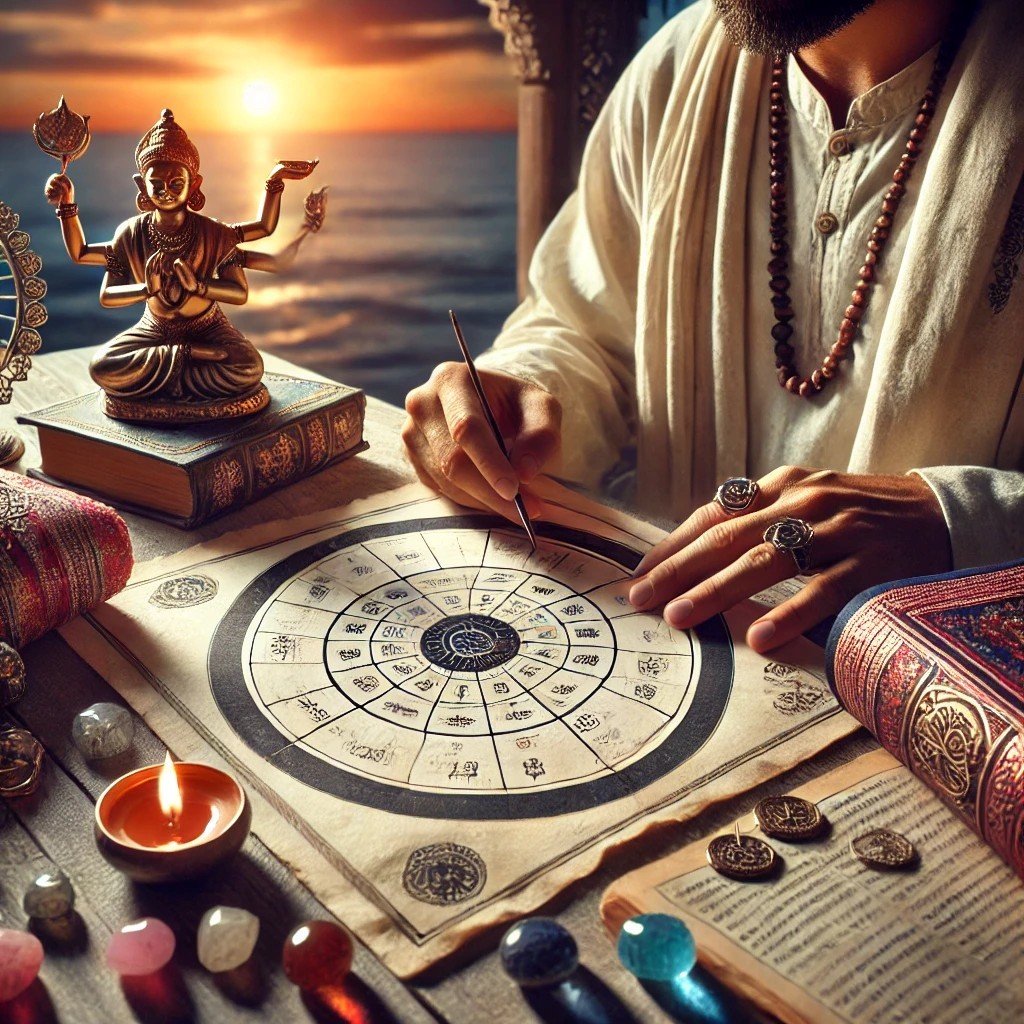
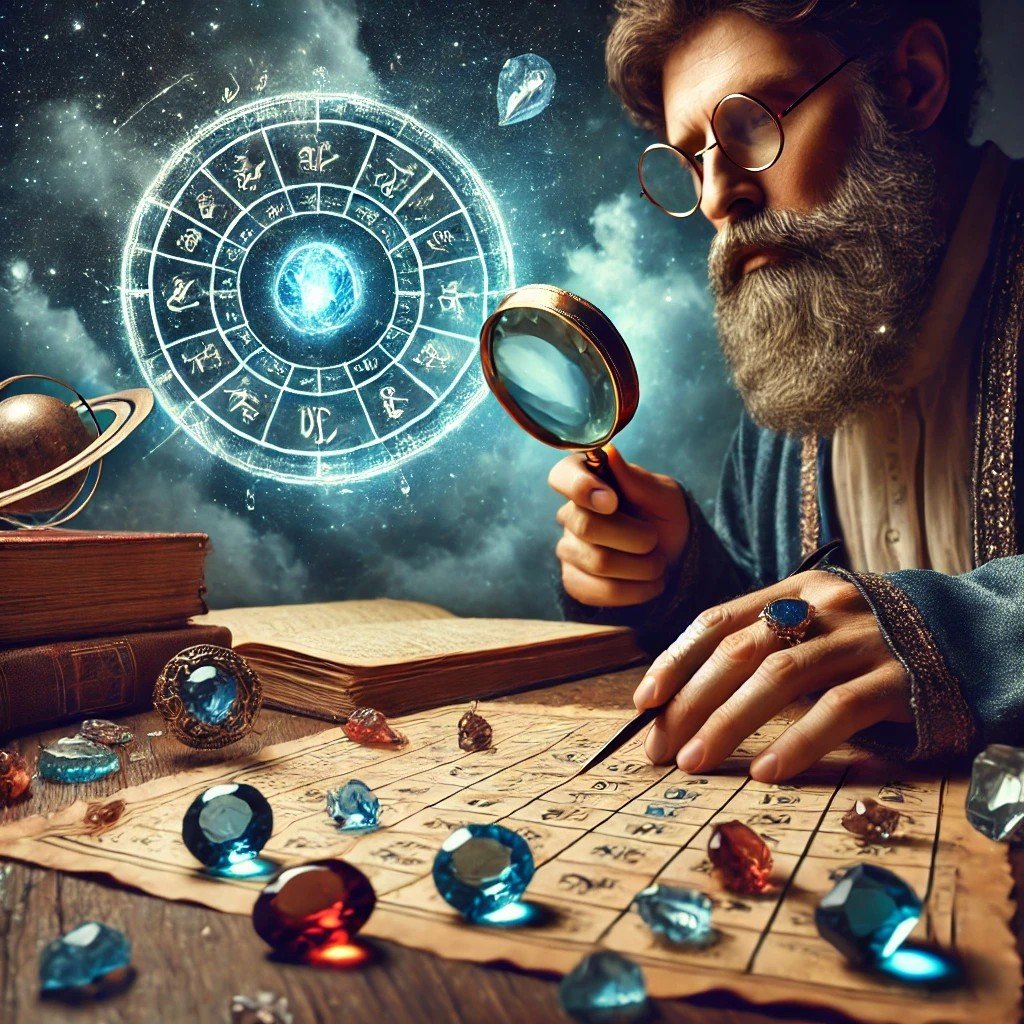
Kundali matching, also known as Gun Milan, is a Vedic
astrology method that assesses the compatibility between two individuals based
on their birth charts. A birth chart, or Kundali, is a celestial blueprint of
planetary positions at the time of a person’s birth. This ancient practice
analyzes various factors to predict the success and harmony of a potential
marriage.
The Science Behind Kundali Matching
At the heart of Kundali matching lies an objective analysis
of planetary alignments. The process typically involves the comparison of 36
aspects or 'Gunas,' each representing different dimensions of life and
personality:
- Varna
(Mental Compatibility): Reflects the mental compatibility and understanding
between partners.
- Vashya
(Control Factor): Indicates mutual influence and the power dynamics within the
relationship.
- Tara
(Health and Well-being): Examines the health and longevity of both individuals.
- Yoni
(Nature and Character): Represents the inherent nature and sexual
compatibility.
- Graha
Maitri (Friendship and Compatibility): Assesses the emotional bond and friendship
level.
- Gana
(Temperament Compatibility): Analyzes the inherent nature, whether it is Deva
(godly), Manushya (human), or Rakshasa (demonic).
- Bhakoot
(Destiny Matching): Influences the prosperity and financial stability of the couple.
- Nadi
(Health Compatibility): Considers hereditary factors and health-related
aspects.
A score above 18 is typically considered favourable. The
primary aim is to ensure a balanced and prosperous marital life by examining
multiple factors:
- Mangal
Dosha (Manglik Matching): The placement of Mars (Mangal) can significantly
influence marriage. If one partner is Manglik (having Mars in certain
houses), it can lead to challenges unless matched with another Manglik
partner or specific remedies are performed.
- Dosha
Analysis: Other
planetary doshas like Shani (Saturn) or Rahu-Ketu (shadow planets) are
examined to foresee any obstacles in married life. Remedies are suggested
for severe doshas to mitigate negative impacts.
- Navamsa Chart: This divisional chart offers deeper insights into marital harmony, focusing on the 7th house, which represents marriage and partnership.

Why Kundali Matching Matters
In modern times, where love marriages and personal choice
dominate, the relevance of Kundali matching often comes into question. However,
it is essential to recognize that this ancient science is not about restricting
love but enhancing it by providing a deeper understanding of each other’s
traits, potential challenges, and growth areas.
Beyond Superstition – A Holistic Approach
While skeptics may view Kundali matching as mere
superstition, its principles are rooted in astronomical calculations and
psychological insights. It serves as a guiding tool rather than a decisive
factor, offering couples a chance to introspect and align their expectations.
Conclusion
Kundali matching is much more than a ritual—it's a thoughtful
approach to ensuring long-term compatibility and happiness. By embracing this
tradition, couples can embark on their marital journey with a deeper
understanding, mutual respect, and preparedness for the challenges ahead.
At Tathastu Jyotishallya Evam Vastu Kendra, we believe
in blending the wisdom of Vedic astrology with the modern perspective, ensuring
that each consultation brings clarity, confidence, and comfort. Let the stars
guide you towards a harmonious and fulfilling marital life.